Whatever it is, the way you tell your story online can make all the difference.
While the principles of Complete Streets are widely recognized as important, how they are implemented can look very different depending on the local context.
This is especially true for smaller and mid-sized municipalities, where there are fewer precedents to guide the application of Complete Streets.
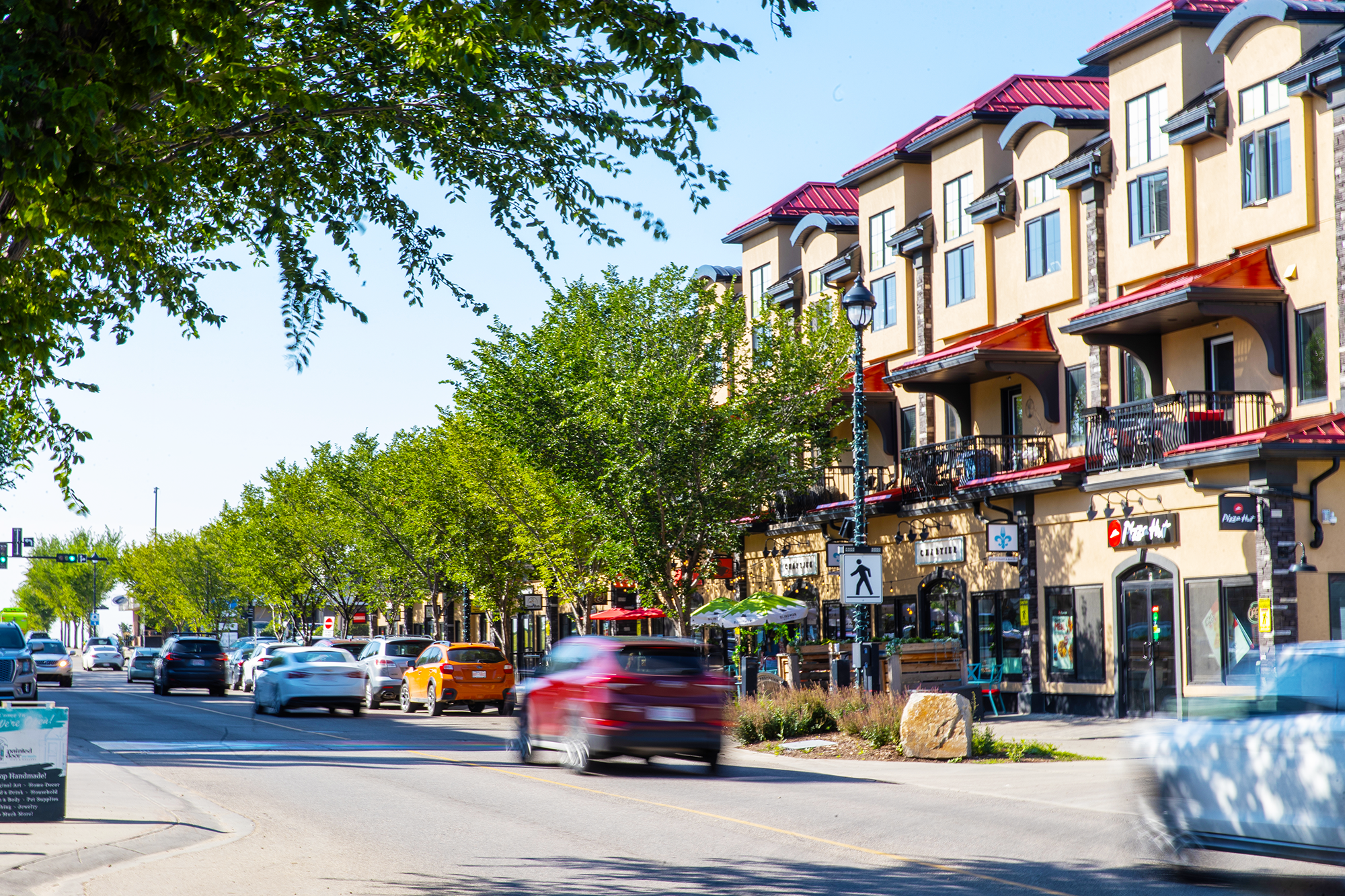
In our recent work with the City of Beaumont, we were engaged to identify the most appropriate approach for Complete Streets planning and design within the context of its Transportation Master Plan - Our Connectivity. Beaumont, a growing prairie city with a largely suburban character in Alberta, faces unique challenges like its winter climate and a large commuter population to Edmonton. With a population of 23,300 in 2023, the city is focused on building a safe, connected, and inclusive mobility network.
Throughout this process, our team and leaders from City staff explored several of the unique considerations for applying Complete Streets in a smaller municipality:
Which is the best form for Complete Streets design guidance? Complete Streets can be embedded into existing standards, made into a standalone guide, or be built upon through the standards of nearby major cities. For a smaller municipality, we need to consider what the best balance may be for its goals, resources, and ongoing monitoring requirements.
In communities where driving and commuting are more popular, how can Complete Streets reflect current travel patterns while encouraging more people to walk, bike, and take transit to local destinations and supporting safer local streets?
With limited capital budgets, what is the best approach for implementing Complete Streets projects to limit the amount of additional new funding requested from Council?
Alongside City staff, we refined the vision and goals for Complete Streets in Beaumont, developing a tailored approach that balances industry best practices with local conditions and community aspirations. Our recommendations focused on targeting updates to cross sections and standards through a phased approach. This will help advance the goals of Complete Streets and improving the safety of the community’s transportation system while balancing the realities and constraints that come with a smaller municipality.
We’d love to hear from you. What do you see as the most important considerations for bringing Complete Streets principles to smaller and mid-sized communities?
Services provided for the City of Beaumont include:
Design guidelines and standards
Collaborative engagement process
Change management
Project management